
By Emmanuel Ndon
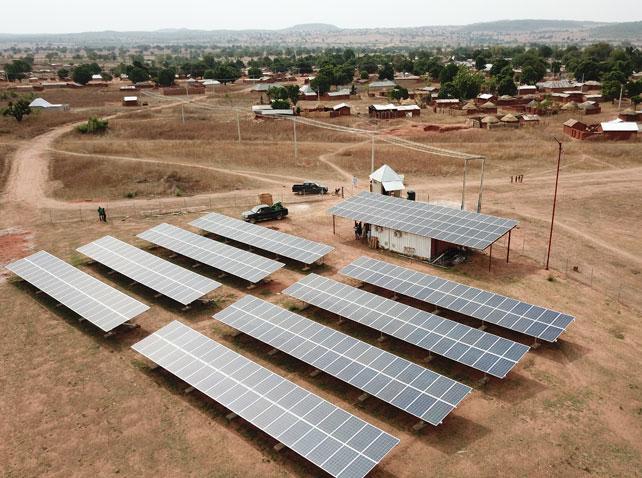
Governor Umo Eno has launched the Off-Grid Rural Electrification Programme, a transformative initiative designed to deliver electricity to remote communities across Akwa Ibom State that have long remained beyond the reach of the national grid. By deploying solar-powered systems, mini-grids and other independent energy solutions, the programme is bringing reliable power to homes, businesses, schools and healthcare facilities in some of the state’s most underserved areas.
The initiative spans all 31 local government areas, ensuring that rural communities benefit from the state’s development efforts. Residents in communities across Ukanafun, Eastern Obolo, Eket, Etinan, Okobo, Ibesikpo Asutan and other remote areas are gaining access to electricity that is transforming daily life. For many families, the programme marks the end of dependence on candles, kerosene lamps and generators, replacing them with cleaner, safer and more affordable sources of power.
For rural households, access to electricity is creating immediate improvements in living standards. Children can now study after sunset under proper lighting, improving learning opportunities and academic performance. Families enjoy safer homes free from the hazards of kerosene fumes and open flames, while access to electricity enables them to access information and stay connected with the wider world. These practical benefits are helping to improve quality of life across rural communities.
Healthcare facilities are also experiencing significant improvements. Reliable electricity enables clinics and hospitals to power essential medical equipment, preserve vaccines and medicines at appropriate temperatures and provide better care for patients. Maternity services benefit from adequate lighting, while healthcare workers can perform their duties more effectively. By strengthening rural healthcare infrastructure, the programme is contributing directly to better health outcomes and saving lives.
Educational institutions are similarly benefiting from access to power. Schools can utilise computers, projectors and other digital learning tools that enrich classroom instruction. Evening study sessions and adult education programmes are now possible, expanding access to learning opportunities. The programme therefore supports educational advancement while helping to prepare students for a technology-driven future.
The economic impact is equally significant. Reliable electricity allows small businesses to operate more efficiently and for longer hours. Tailors, barbers, food vendors and artisans can power equipment without relying on expensive fuel generators. New enterprises such as phone and other electronic devices charging centres, cold storage facilities and digital service businesses are emerging, creating jobs and generating additional income within rural communities. By expanding economic opportunities, the programme is strengthening local economies and improving household livelihoods.
Environmental sustainability is another important benefit. The use of solar-powered systems and other renewable energy solutions reduces dependence on fossil fuels, lowering carbon emissions and improving air quality. Communities enjoy cleaner environments while the state advances its commitment to sustainable development and responsible energy use.
Implementation of the programme is guided by transparency, community participation and long-term planning. Local residents are consulted on project design and location to ensure that facilities meet community needs. Equipment is installed according to established technical standards, while local technicians receive training to maintain systems and ensure their continued operation. This approach promotes sustainability and helps safeguard the long-term success of the initiative.
The benefits extend beyond individual households and businesses. Increased economic activity generates additional revenue for local governments and creates employment opportunities in installation, maintenance and related services. Reduced spending on fuel and alternative energy sources leaves families with more resources for education, healthcare and other essential needs. These multiplier effects contribute to broader rural development across the state.
Residents in solar powered communities have welcomed the programme and the opportunities it brings. Parents appreciate the improved learning environment for their children, business owners report increased productivity and healthcare workers are better equipped to serve patients. The visible improvements in daily life demonstrate the practical value of extending solar power to previously underserved communities.
The programme also reflects Governor Umo Eno’s broader commitment to inclusive development. By adopting off-grid solutions tailored to rural realities, the administration is ensuring that communities traditionally left behind by conventional infrastructure projects are not excluded from progress. The electrification of remote villages demonstrates a development strategy focused on equity, innovation and sustainable impact.
Beyond Akwa Ibom, the initiative is positioning the state as a model for rural electrification in Nigeria. While many regions continue to struggle with extending grid infrastructure to remote areas, Akwa Ibom is embracing practical alternatives that deliver reliable power where it is needed most. This success strengthens the state’s reputation for effective governance and innovative infrastructure development.
As more communities gain access to electricity, rural residents are becoming increasingly connected to modern economic and social opportunities. Access to information, digital services and new business possibilities is helping to bridge the gap between urban and rural areas, ensuring that more citizens benefit from national development and technological advancement.
The legacy of the Off-Grid Rural Electrification Programme will be measured in improved lives, stronger communities and expanded opportunities. By bringing reliable electricity to remote areas, the initiative is supporting education, healthcare, economic growth and social development across Akwa Ibom. It is a practical investment in people and communities, demonstrating how targeted infrastructure can create lasting progress and a more prosperous future for all.