

By Emmanuel Ndon
When governments announce new classroom projects, public attention often settles on one question: How many schools have been built? Yet the more important question is rarely asked. What kind of learning environment are those schools creating? That distinction is what increasingly separates ordinary public construction from meaningful educational investment.
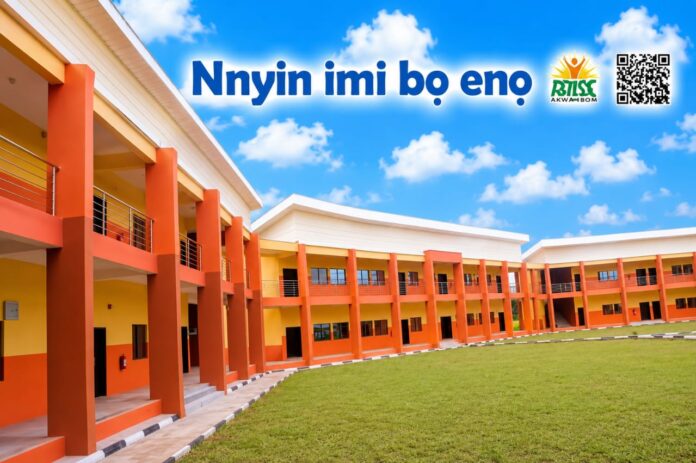
Across Akwa Ibom State, projects executed through the State Universal Basic Education Board (SUBEB) illustrate that quality in educational infrastructure extends beyond concrete walls and roofing sheets. A school is not simply a collection of classrooms. It is an environment designed to support learning, protect children and create conditions in which teachers can perform at their best.
For that reason, the true value of a SUBEB project lies not only in its physical appearance but in the standard to which it is executed. Every completed classroom becomes part of the foundation upon which future generations will be educated. A poorly executed project can disrupt learning for years, while a properly delivered one continues serving pupils long after the construction teams have left the site.
This explains why construction quality deserves as much attention as project delivery itself. In SUBEB, Proper foundations, sound structural work, durable roofing, adequate ventilation and safe finishing are not cosmetic details. They determine whether pupils study in secure, comfortable environments that encourage concentration rather than distraction.
In the words of Rt Hon Anietie Etuk, PhD, Executive Chairman, SUBEB, “equally important is supervision throughout the construction process. Quality educational infrastructure is rarely the product of chance. It depends upon continuous monitoring, technical inspections and adherence to approved specifications from commencement to completion. Every stage of construction contributes to the durability and safety of the finished facility”.
He enthused : “That level of oversight also protects public investment. School buildings are expected to serve communities for decades. When projects are executed to proper standards from the outset, government avoids the recurring costs of premature repairs, while pupils and teachers enjoy facilities that remain functional over a long term”.
The impact reaches beyond the classroom itself. Well-planned school environments improve attendance, strengthen teacher morale and provide communities with greater confidence in public education. Parents are naturally encouraged when they see children learning in facilities that reflect care, order and permanence.
Quality educational infrastructure also sends an important message to pupils. A child who studies in a clean, safe and properly maintained classroom develops a stronger sense that education is valued. The physical environment quietly reinforces the importance society places on learning, discipline and personal development.
This is particularly significant at the basic education level, where children form many of their earliest impressions about school. Bright, secure and functional learning spaces create experiences that can influence attitudes towards education throughout later stages of life.
For teachers, well-designed facilities improve working conditions and allow greater attention to instruction rather than coping with failing infrastructure. Classrooms built to appropriate standards support effective teaching and contribute to better educational outcomes for both educators and learners.
Viewed from this perspective, SUBEB projects represent more than construction contracts. They are long-term investments in human capital. Every properly executed classroom contributes to literacy, workforce development and the broader social and economic progress of the state.
Governor Umo Eno’s emphasis on educational development under the A.R.I.S.E. Agenda recognises that infrastructure alone does not transform education, but quality infrastructure provides the platform upon which effective teaching and learning can flourish. Durable schools, like good teachers, continue serving society long after the moment of their delivery.
The lasting success of SUBEB projects will therefore not be measured simply by the number of buildings completed. Their true value will be seen in generations of pupils who learn in environments that are safe, dignified and designed to support excellence. That is how educational infrastructure becomes more than construction—it becomes an investment in the future of Akwa Ibom State.