

By Branded Content
For a growing number of Nigerians, the search for a weekend apartment now begins the same way. A screenshot lands in a WhatsApp group. A friend of a friend knows an agent. The pictures look good. The price is not outrageous. The agent asks for a deposit to hold the place. The trip is a few days away, and the pressure to send the money is quiet but constant.
Sometimes the booking is real, and the weekend goes as planned. Sometimes the apartment is nothing like the pictures. Sometimes there is no apartment at all.
Short let scams have become one of the most reported consumer complaints in the Nigerian hospitality economy. Publications from Pulse to BusinessDay have documented cloned listings, vanishing agents, and inflated caution fees. The Lagos short let market alone was estimated at roughly N281 billion in 2025 by Edala Development, as reported by Nairametrics. A market of that size, still largely operating on WhatsApp, is fertile ground for fraud.
This is a plain English guide to the most common patterns and how to avoid them.
The scam patterns to know
The cloned listing. A real apartment, real photos, real address, but the person collecting the money does not own it. The scammer has scraped the listing from a legitimate platform or an owner’s Instagram page and reposted it with their own contact details. The guest arrives, finds someone else has already checked in, and the agent is not answering the phone.
The mismatched photos. The apartment exists and the agent is real, but the pictures were taken years ago, in a different unit, or with heavy editing. The guest arrives to a smaller, older, or dirtier place than the one they thought they were paying for.
The caution fee spiral. A booking is confirmed at one price. On arrival, a fresh set of fees appears. A caution fee. A cleaning fee. A security fee. An electricity top up. Refusal to pay means being turned away with a booking that has already been paid for.
The urgency squeeze. The agent tells you another person is about to book the same apartment. Pay immediately or lose the spot. The pressure is designed to bypass the verification steps a careful booker would normally take.
The vanishing agent. The booking is confirmed on WhatsApp. The money is sent. On the day of check in the number is unreachable. There is no office to visit and no formal record of the transaction.
What to do before you pay
Ask for a video walk through. Real hosts and legitimate platforms have no problem sending one on request. A scammer working from screenshots will hesitate, delay, or send something that does not match the still images.
Reverse image search the pictures. If the exact same photos appear on ten different listings or on an Instagram account with a different name, the listing is very likely cloned.
Verify the address with a map application. A vague description, a landmark rather than a street, or a refusal to give the address until after payment are red flags.
Look up the agent. A serious operator will have a Google presence, an Instagram page with a history of real posts, and reviews from previous guests that you can independently trace. An account created in the past few weeks with generic content and no traceable reviews is a warning.
Refuse to pay full price into a personal account. Legitimate businesses accept transfers into named business accounts or through platforms that hold the payment until check in. A request to pay into a private account with an urgent tone should stop the transaction.
Get everything in writing. Full price, full inclusions, check in time, check out time, address, cleaning fee, caution fee, refund policy, and cancellation policy. If the agent refuses to send these in one message, do not proceed.
What is being done
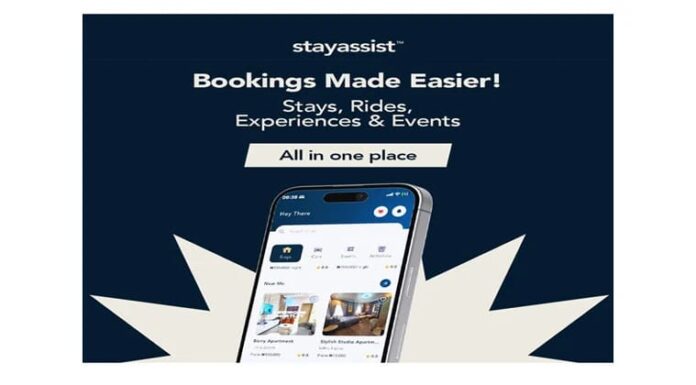
The private sector is beginning to respond. A wave of Nigerian technology companies is building verified booking platforms that address these problems at the platform level rather than leaving them to individual consumers. Stay Assist is one example. The platform verifies properties before they go live, holds payments through the app, and provides a formal booking record for every reservation. Its inventory of verified apartments and hotels spans multiple Nigerian cities. The same standards extend to its ride services, its curated experiences, and its event tickets, each of which sits on the same booking rails. Property owners who want to reach guests through the platform register through the hosts portal. Other Nigerian shortlet apps, from Spleet to Muster to NimbleCasa, are working on similar layers of trust in different segments of the market.
None of these platforms yet cover every property in Nigeria. For now, verification remains partly the responsibility of the consumer. But the trajectory is clear. As the short let market continues to grow, the platforms that survive will be the ones that make trust the default rather than the exception.
The bottom line
The Nigerian short let market is real, growing, and here to stay. So is the scam industry that has grown alongside it. Until formal consumer protection catches up, the best defence is a careful booker who insists on verification, refuses to be rushed, and treats a booking as a contract, not a favour.
A weekend away is meant to be a break from stress. A little care at the booking stage is what keeps it that way.